MESA Mentoring Award
Brinkley Messick
Columbia University
2025 Recipient
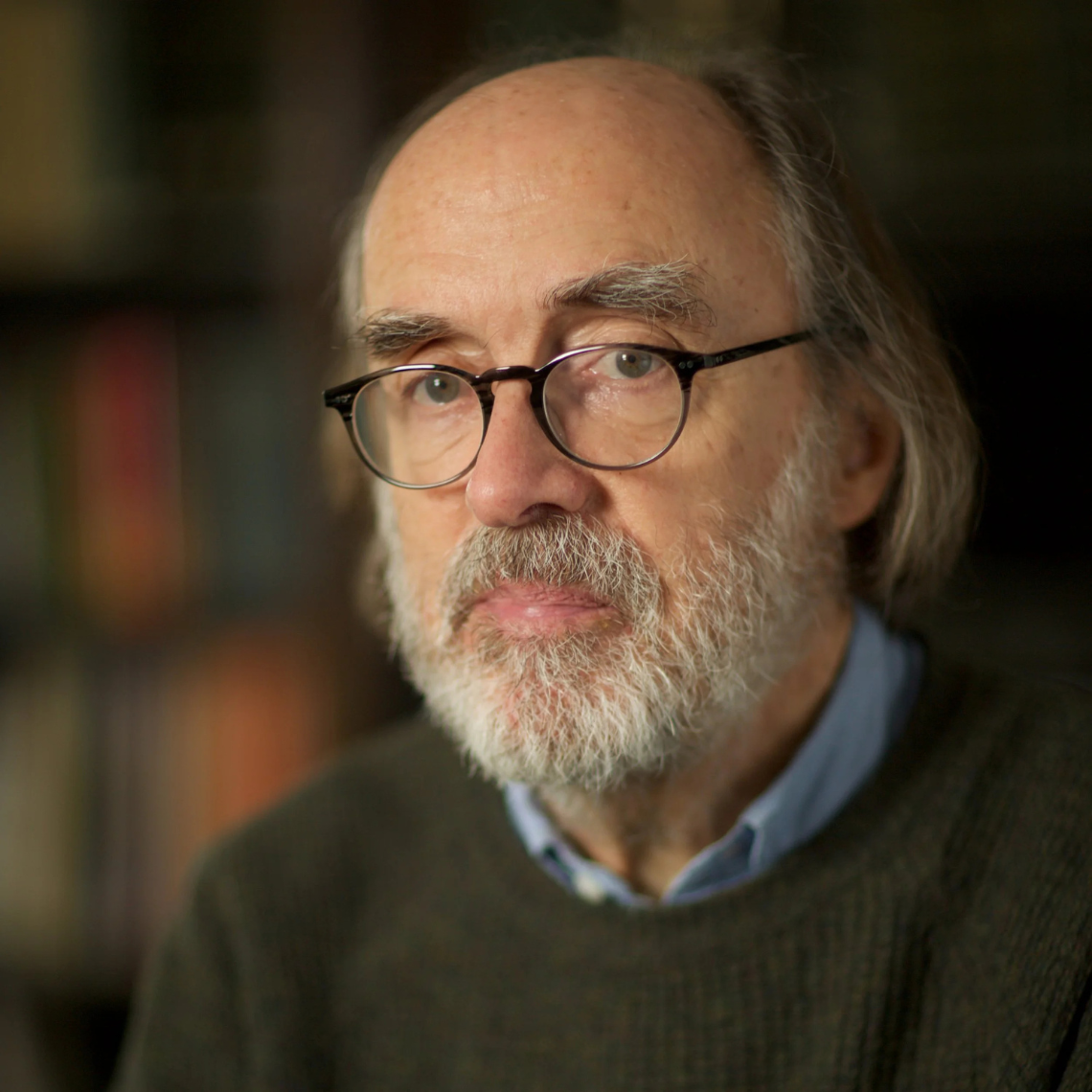
Brinkley Messick
Dr. Brinkley Messick is recognized for his extraordinary contributions to the training and support of others in Middle East studies.
Professor Messick, who passed away in August 2025, exemplified the highest ideals of scholarly mentorship, combining rigorous academic excellence with profound dedication to nurturing the next generation of anthropologists and Middle East studies scholars. His scholarship on textual culture, Islamic law, and historical anthropology has been profoundly influential. His groundbreaking works include The Calligraphic State: Textual Domination and History in a Muslim Society (1993), which won MESA's Albert Hourani award. He mentored dozens of PhD students across his lengthy career, at both the University of Michigan and Columbia University, the impact of his mentoring has grown with their careers and in the advising work that those students take on for succeeding generations.
Former students described his steady encouragement as they faced the challenges of fieldwork, his close engagement as they developed their ideas, and his supportive enthusiasm for their work. They note that there was something truly unique, and in hindsight truly effective pedagogically about Professor Messick’s mentoring style, as a radically democratic one, reflecting generosity and genuine curiosity and refraining from steering students in directions that he was personally interested in. Instead, he subtly and indirectly steered them toward their own interests.
Others note how Professor Messick welcomed students from outside the field to anthropology, helping them see how they could contribute to a field new to them, and thereby help shape a shared broader project of Middle East studies. He gave them, and other students, renewed energy and direction, making them see the potential of inchoate research ideas much more clearly than they did themselves. He expected and demanded serious work, and constantly reminded of the importance of remaining anchored in the ethnographic and textual material by conducting extensive and rigorous inquiries. He showed them how to bring projects to life, make them relevant to contemporary debates, and learn from and contribute to the theoretical debates, while at the same time continuing to focus on the particular and rich conditions of their research. With his gentle but steady support, Professor Messick helped students to find themselves as academics and intellectuals.
While deeply engaged in anthropological theories and methods, Professor Messick always invited his students to go beyond trends and to think in problem-oriented, interdisciplinary ways. Rather than take for granted the inherent significance of contemporary debates, he encouraged students to consider how they could first deepen their research, and then how they could contribute to those debates, by forging new analyses and questions.
Beyond advice and support, Professor Messick offered a model for how to be a scholar and teacher that many of his students seek to emulate as they pursue their own careers. The personal connection with his students was matched by his significant efforts to support intellectual environments where students and faculty could grow and thrive. Scholarly excellence requires strong institutional support and vibrant communities and Professor Messick dedicated time to creating and sustaining both. At the University of Michigan, where he taught from 1993-1997, he was a core member of the Doctoral Program in Anthropology and History and of the interdisciplinary research program, Comparative Studies in Social Transformation (CSST), tremendously vibrant intellectual spaces. At Columbia University, where he taught from 1997 until his retirement only months before he passed away, Professor Messick held numerous leadership roles. He was chair of the Anthropology Department from 2004-2011, director of the Middle East Institute from 2015-2024, and a co-founder, in 2010, of the Center for Palestine Studies (CPS), where he served as co-director from 2010-2015.
Professor Messick embodied the highest ideals of scholarly mentorship: combining rigorous academic excellence with deep personal investment in students’ intellectual and professional development, creating institutional frameworks for emerging scholars, and demonstrating how scholarship can serve justice and human dignity. His passing represents an immeasurable loss to our field, but his legacy is evident in the countless students, colleagues, and institutions he nurtured throughout his distinguished career.
It is therefore an honor to recognize Professor Messick’s legacy posthumously as an outstanding mentor and exemplary colleague who represented and encouraged the best in Middle East studies.