2026 Election of Officers
MESA is pleased to present the candidates in the 2026 Election of Officers. Click on the candidate’s name to go to their statement and biography. Voting deadline is Thursday, October 15, 2026, at 12:00 Noon, Eastern Daylight Time. You may vote electronically by completing the ballot at the bottom of this page. If you would like to vote by mail, request a mail-in ballot from [email protected] by September 10. To see the current list of Board Members, go here.
Eligibility: Only Full members (Honorary Fellows, Fellows, and Students) are eligible to vote. This is your opportunity to have a say in the direction of your association. One vote per eligible voting member is allowed. You must be a current MESA member to vote; your membership status will be verified.
Note: The MESA Board of Directors requested that candidates standing for election write a statement about why they have decided to run, and what they would bring to the position in terms of priorities should they be elected.
Ballots must be received by Thursday, October 15, 2026, 12:00Noon EDT.
Candidates for President-Elect
The President-Elect will serve from November 17, 2026, through October 10, 2027 as President-Elect, then as President from October 11, 2027 until November 18, 2029, and then as Past President until November 25, 2030.
To go directly to a candidate's biography, click on the name of the candidate. You will vote for no more than 1 or abstain.
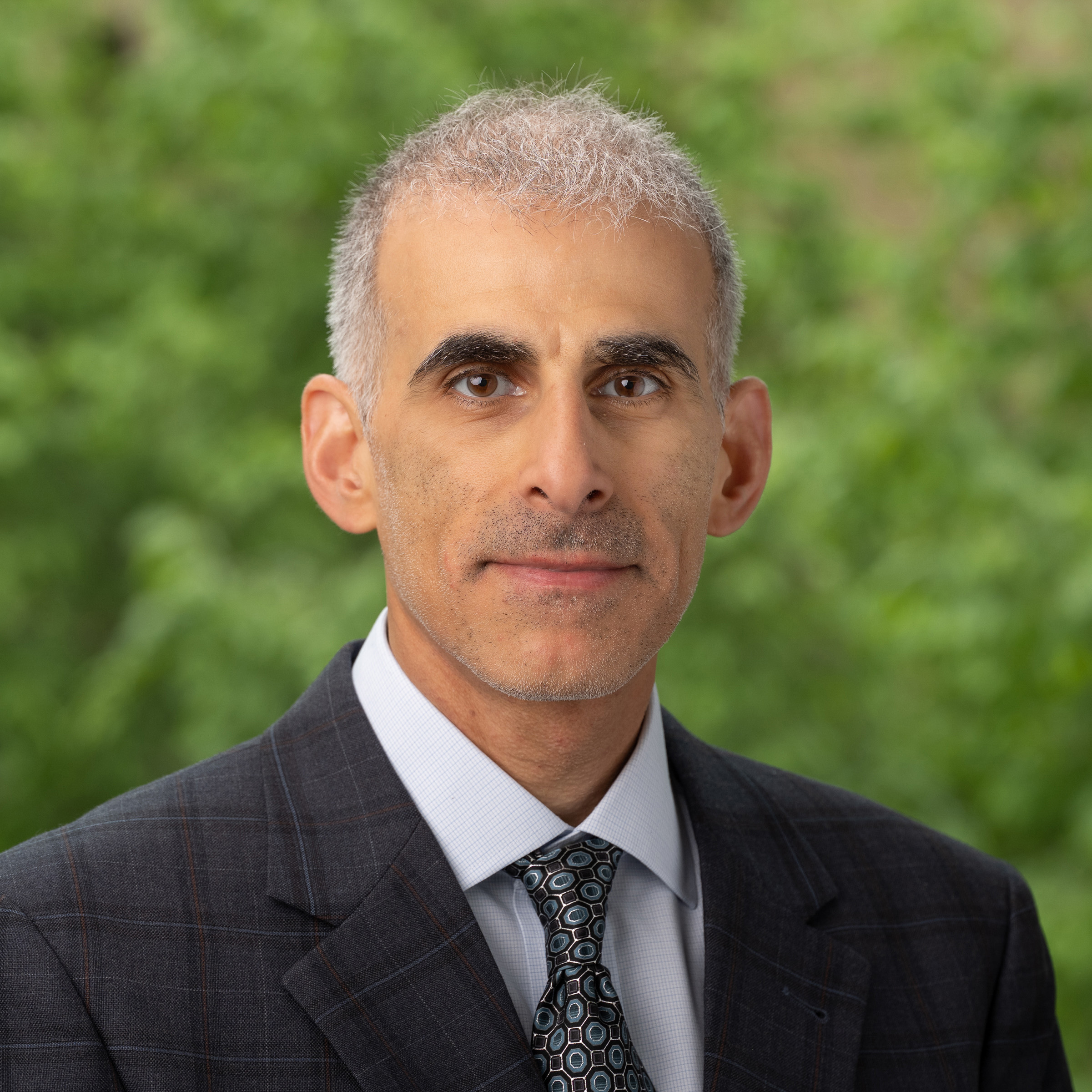 Alan Mikhail
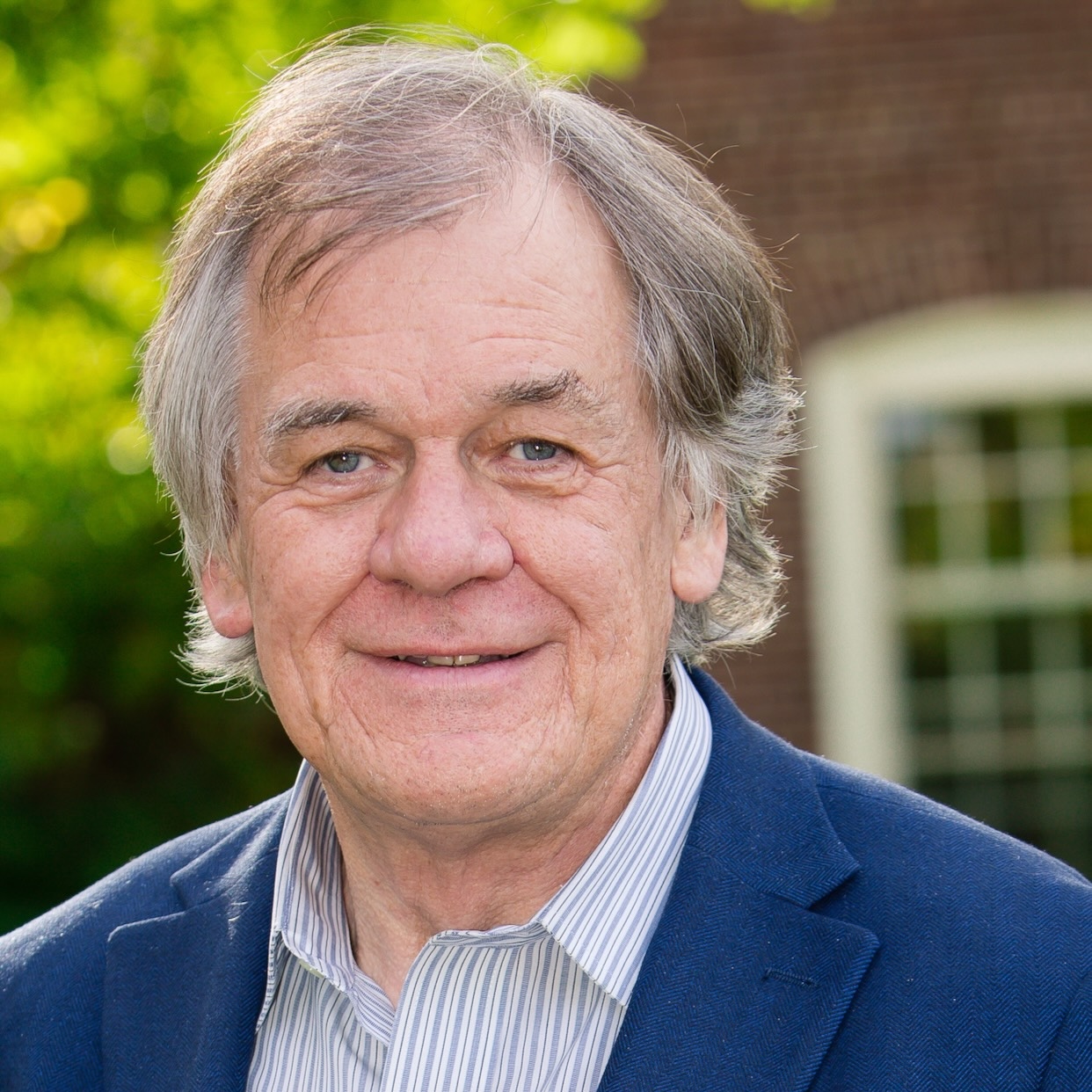 Timothy Mitchell
Alan Mikhail
Candidate Statement: In an age of genocide, war on and in the Middle East, persistent attacks on Middle East Studies, technological realignments, and institutional cracking, MESA’s dual imperative is as exigent as ever—foster and promote the full array of rigorous and cutting-edge scholarship and teaching in Middle East Studies in multiple disciplines and at every generational stage of the profession; and protect the institutions, funding, employment opportunities, diversity, and lifeworlds necessary to undertake this work. I am honored to have been nominated to run for president of MESA. If elected, I will work with all members to strengthen the organization’s central activities as the preeminent home for Middle East Studies and to continue defending it.
Our first priority is to advocate for as many viable employment opportunities as possible within the university and outside of it. The accomplished scholarship and teaching of MESA’s membership is the strongest argument for the field. As president, I would do everything I can to showcase our work and to engage the membership in conversations about the greatest needs to allow scholarship and teaching to thrive. I would seek to show other fields, disciplines, and interdisciplinary formations how essential the Middle East is to their work; increase the field’s national and global public engagement; support university centers for Middle East Studies; advocate for the importance of language training; seek collaborations with other organizations; and create new prizes and other means of celebrating the field.
In the United States and abroad, we must also continue the important legal work MESA has undertaken against the illegal actions it and its members have faced. I will work with experts inside and outside of MESA to ensure we have exhausted all remedies for those affected in ways that safeguard the long-term health of the organization and defend academic freedom.
Positions: Chace Family Professor of History, Yale University, since 2021; Professor (2013-2021), Assistant Professor (2010-2013), Yale University.
Education: PhD, History, University of California, Berkeley, 2008; BA, History and Chemistry, Rice University, 2001.
Select Service to Profession: MESA: Chair, Program Committee, 2026; Program Committee, 2019; Albert Hourani Book Award Committee, 2016; Nominating Committee, 2015; Editorial Board, International Journal of Middle East Studies, 2013-2015; Graduate Student Member, Board of Directors, 2004-2005. Other Service: Chair, Department of History, Yale University, 2018-2024; Book Series Founder and Editor, Middle East Environmental Histories, Leiden University Press, since 2022; Editorial Board, Cambridge Studies in Islamic Civilization, since 2013; Editorial Board, International Journal of Turkish Studies, since 2015; Editorial Board, Journal of the Ottoman and Turkish Studies Association, since 2019; Contributing Editor, Comparative Studies of South Asia, Africa and the Middle East, since 2020; Editorial Board, Animal History, since 2023; Book Prize Committee, Ottoman and Turkish Studies Association, 2019; Program Committee, American Research Center in Egypt Annual Meeting, 2017; Editorial Board, Environmental History, 2013-2017.
Select Awards and Grants: Victor Turner Prize in Ethnographic Writing, Society for Humanistic Anthropology (2023); Gold Medal in World History, Independent Publisher Book Awards (2021); Longlisted, Andrew Carnegie Medal for Excellence in Nonfiction (2021); Editors’ Choice, New York Times Book Review (2020); Book Prize, Ottoman and Turkish Studies Association (2018); Anneliese Maier Research Award, Alexander von Humboldt Foundation (2018-2024); Choice Outstanding Academic Title (2017); Leopold-Hidy Prize, American Society for Environmental History (2015); Alice Hamilton Prize, American Society for Environmental History (2013); Wayne D. Rasmussen Award, Agricultural History Society (2013); Roger Owen Book Award, MESA (2011); Article Prize, Ottoman and Turkish Studies Association (2011); Malcolm H. Kerr Dissertation Award, MESA (2009).
Publications: Books: Newcomers: The Story of Anthony and Grietje and the Founding of New York (2026); My Egypt Archive (2022); God’s Shadow: Sultan Selim, His Ottoman Empire, and the Making of the Modern World (2020); Under Osman’s Tree: The Ottoman Empire, Egypt, and Environmental History (2017); The Animal in Ottoman Egypt (2014); Nature and Empire in Ottoman Egypt: An Environmental History (2011); ed., Water on Sand: Environmental Histories of the Middle East and North Africa (2013). Select Articles: “Was Anthony the Turk Really a Turk?,” de Halve Maen 98 (2025-2026); “Boom Cairo: Egypt in Disaster, 1787,” International Journal of Middle East Studies 56 (2024); “1619, Islam, and Other Possible Histories,” American Historical Review 127 (2022); “What the World Says: The Ottoman Empire, Interspecies Rape, and Climate in the Little Ice Age,” Critical Inquiry 49 (2022); “Climate and the Chronology of Iranian History,” Iranian Studies 49 (2016); “Ottoman Iceland: A Climate History,” Environmental History 20 (2015); “A Dog-Eat-Dog Empire: Violence and Affection on the Streets of Ottoman Cairo,” Comparative Studies of South Asia, Africa and the Middle East 35 (2015); “Labor and Environment in Egypt since 1500,” International Labor and Working-Class History 85 (2014); “Unleashing the Beast: Animals, Energy, and the Economy of Labor in Ottoman Egypt,” American Historical Review 118 (2013); “An Irrigated Empire: The View from Ottoman Fayyum,” International Journal of Middle East Studies 42 (2010); “Animals as Property in Early Modern Ottoman Egypt,” Journal of the Economic and Social History of the Orient 53 (2010); “The Nature of Plague in Late Eighteenth-Century Egypt,” Bulletin of the History of Medicine 82 (2008). Books and articles translated into fourteen languages.

Timothy Mitchell
Candidate Statement: We are living through a period of extraordinary threats—against the peoples of the Middle East, against scholars in and from the region, and against the academic mission of Middle Eastern Studies. Amid the continuing genocide in Gaza and wider imperial warmaking, I see three priorities for MESA as it engages with the politics of the moment while strengthening its historic role as the hub of intellectual life for the field. The first is to build on the vital initiatives it has taken to defend academic freedom, protect individual scholars, and challenge the suppression of critical thought. The second is to focus on two constituencies particularly threatened by both current developments and longer term structures of the academy. One is academic communities in the Middle East, for whom traveling to a MESA meeting was never easy and is now frequently impossible; joint initiatives with academic organizations in the region are an important response. The other is current and recent PhDs, for whom the shrinking job market and, above all, the precarity of many teaching appointments, as tenure-line positions give way postdocs and adjunct hires, must be continuously challenged. The third priority is for MESA to articulate, forcefully and beyond the current crisis, a vision for the field as something more than area studies or regional expertise. As a field of humanistic knowledge in its own right, based on what can be learned from (and not just about) the cultures, ideas, and social and political forces of a major world region, it challenges the limits of the Eurocentric disciplines. This has been a focus of my own scholarship and program-building in almost five decades of scholarly engagement. As a third priority, it underpins and strengthens the first two and provides my own motivation for standing for election.
Positions: Professor of Middle Eastern Studies, Columbia University, 2008 (department chair, 2011-17 and 2026-present); Distinguished Visiting Professor, Institute for Advanced Study, 2022-23; Professor of Politics and Middle Eastern and Islamic Studies, NYU, 2002-08; Associate Professor, 1992-2002; Assistant Professor of Politics, 1985-92; Visiting Assistant Professor, 1983-85; Director, Hagop Kevorkian Center, NYU, 1996-2003.
Education: PhD, Politics, Princeton, 1984; MA, Politics, Princeton, 1979; BA, History, Cambridge, 1977.
Service to Profession: MESA: Organizer and presenter for MESA panels since 1982, including the 1991 presidential plenary panel; Editorial Board, International Journal of Middle East Studies, 2000-2003;. Journals: (selection): Senior editor, Comparative Studies of South Asia, Africa, and the Middle East (2012-18); Chair of the Editorial Board, 2018-; Editorial Committee, MERIP Middle East Report (1988-93); Chair of the Editorial Committee (1989-91); Contributing Editor (1994-present); Editorial Collective, Social Text (2001-2009); Editorial Board, IJMES (1999-2002); Editorial Board, APSR (2007-10). Other Service: SSRC/ACLS Committee on Near and Middle Eastern Studies (1988-1994); Governing Council, Politics and History Section, APSA (1994-97); Board of Governors, ARCE (1998-2001).
Awards and Grants: Awards: APSA Award for contributions to interpretive studies, 2023; Presidential Award for Outstanding Teaching, Columbia University, 2021; Global Chair, University of Bath, 2019-20; Distinguished Scholar Award, ISA, 2018; Ester Boserup Prize, University of Copenhagen, 2017. Grants: Carnegie grant to support scholars from the Arab region at Columbia, 2014-17; Ford Foundation grant, “Area Studies: Institutionalizing the Creole Model” 1999-2003; US DoE Title VI grants, NYU, 1997-2006; Ford Foundation grant, “The Future of Area Studies in the US”, 1997-98; SSRC grant, “Questions of Modernity: Strategies for Post-Orientalist Research on the Middle East and South Asia,” 1993-97.
Publications: Books: The Alibi of Capital: How We Broke the Earth to Steal the Future on the Promise of a Better Tomorrow (2026); Carbon Democracy (2012); Rule of Experts (2002); Colonising Egypt (1988); translations of various among above works into Arabic, Persian, Turkish, Hebrew, Russian, Chinese, Japanese, Korean, and French, plus three other books of essays in Arabic translation. Edited book: Questions of Modernity (2002). Contributions to edited volumes (selection): “Preface” to Living Iraq: Land, Law, and the Political Imagination, ed. Bahoora, Guarasci, and Saleh; “The Body Politic that Captured the Future,” in Latour, Schaffer, and Gagliardi, eds, A Book of the Body Politic, 2020; “The Capital City,” in The Arab City: Architecture and Representation, ed. Andraos and Akawi, 2016; ‘Egypt.’ Oxford Companion to International Relations, 2014; “Culture and Economy,” in The Sage Handbook of Cultural Analysis. ed. Bennett and Frow; "American Power and Anti-Americanism in the Middle East, in Anti-Americanism, ed. Ross, 2004; "The Middle East in the Past and Future of Social Science", in The Politics of Knowledge: Area Studies and the Disciplines, ed. Szanton, 2003; “Orientalism and the Exhibitionary Order,” in The Art of Art History, ed. Preziosi (1998). Articles (selection): “In Memoriam: Brinkley Messick, Review of Middle East Studies, in press; “The Great EconoCon: Climate Crisis and the Misconception of Growth,” Critical Times, 2026; “Economentality: How the Future Entered Government,” Critical Inquiry, 2014; “Introduction,” Social Text, no. 75 Palestine in a Transnational Context; "The Limits of the State," American Political Science Review, 1991; "Everyday Metaphors of Power," Theory and Society, 1990; "Defining the State in the Middle East," with Roger Owen, Middle East Studies Association Bulletin, 1992; "The Phonology of Weak Verbs: A Simple Diagram of Rules," Al-`Arabiyya: Journal of the American Association of Teachers of Arabic, 1981.
Candidates for Board of Directors
The terms for those elected as Directors will serve from November 25, 2026, through November 18, 2029.
To go directly to a candidate's biography, click on the name of the candidate. You will vote for no more than 2 or abstain.
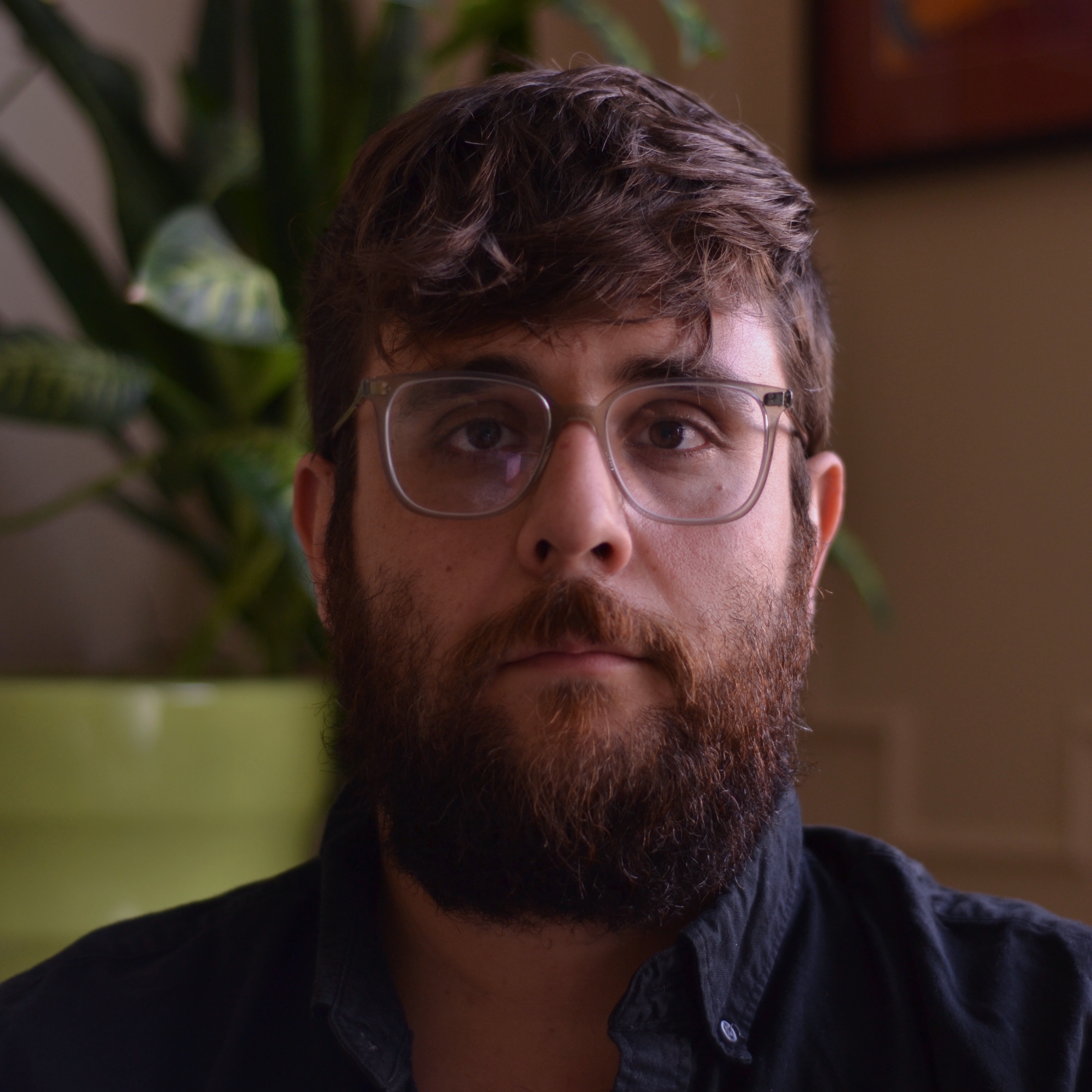
Esmat Elhalaby
University of Toronto
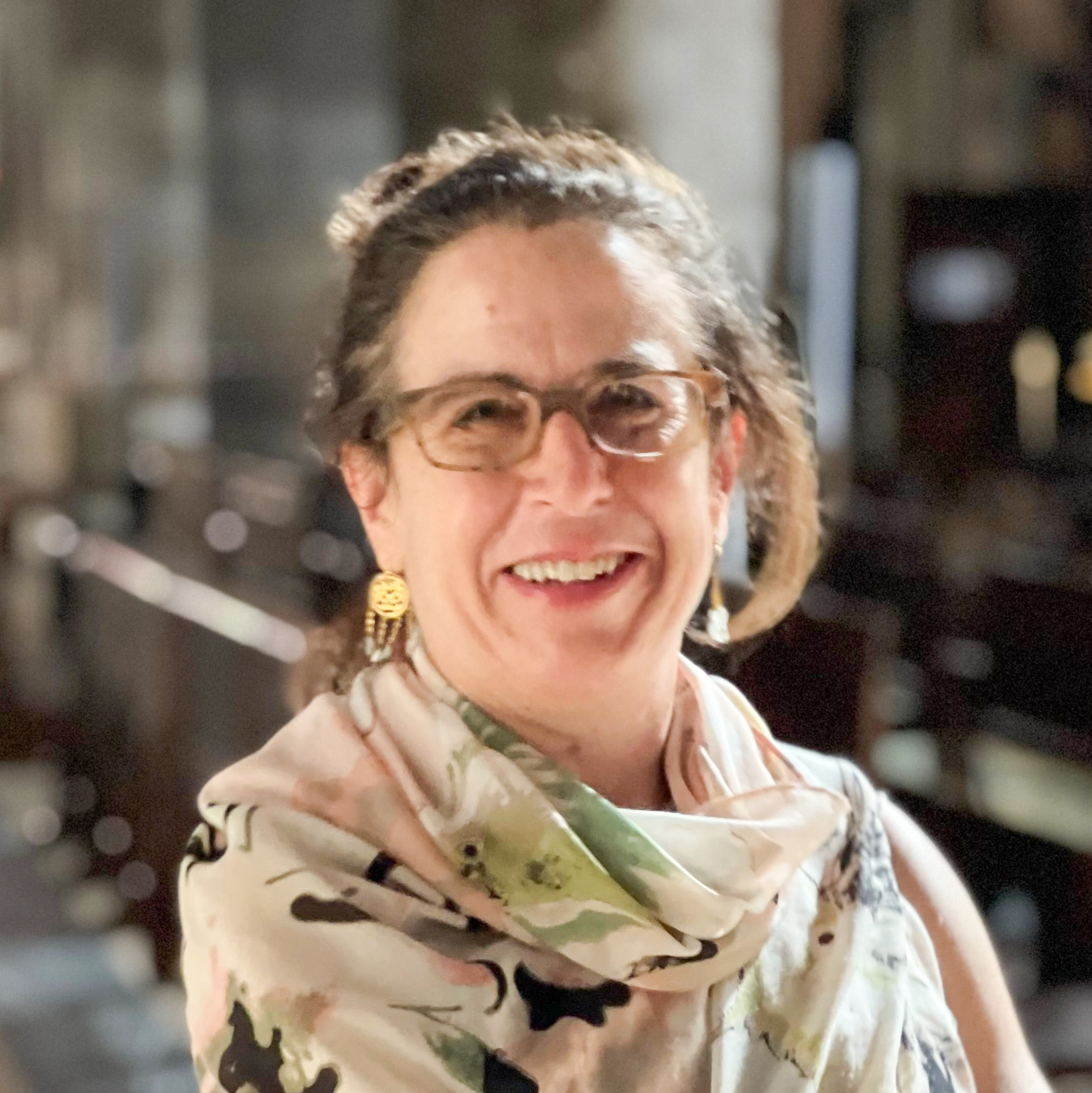
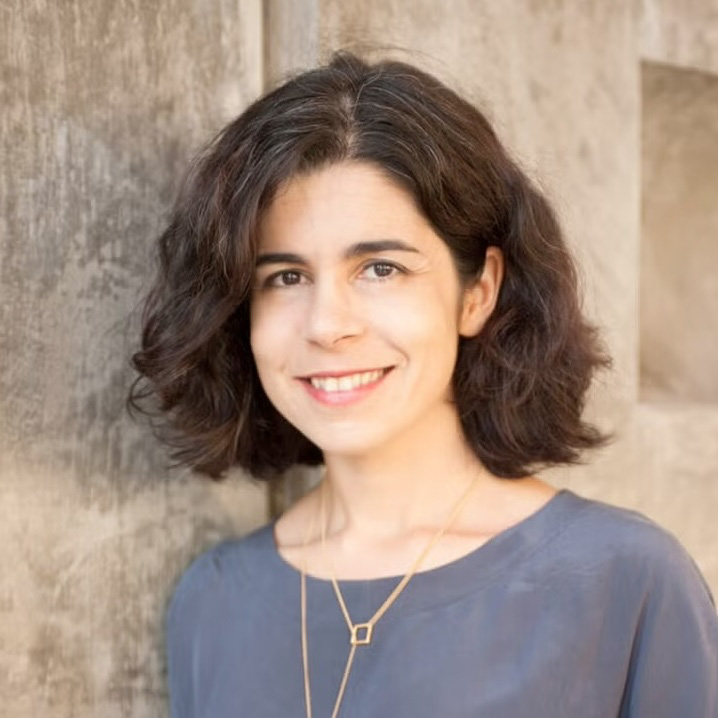
Julia Elyachar
Princeton University
Joanne Randa Nucho
University of Southern California
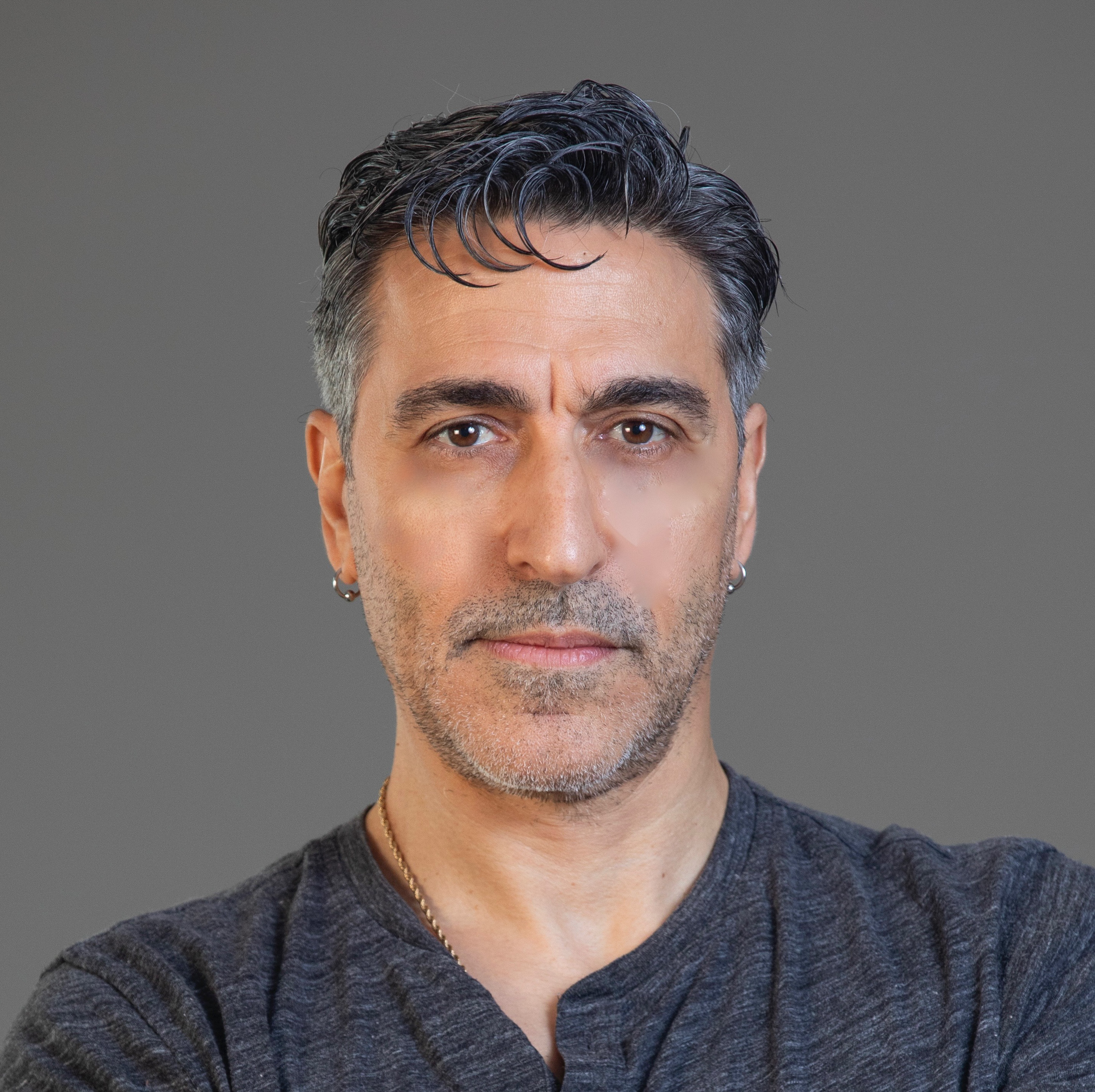
Stephen Sheehi
College of William & Mary
Esmat Elhalaby
Candidate Statement: In a moment when the very purpose of professional associations and learned societies has come into question, MESA has distinguished itself among its North American counterparts in confronting the challenges of the present head on. Rather than recede into scholasticism or deny complicity, MESA and its members have offered an example of what a professional association can do amidst war and genocide. As a Board member I would take seriously our responsibility as relatively privileged workers in a global academic hierarchy. While the struggles faced by our colleagues in the Middle East pale in comparison to our own, imperialism connects us. If elected to the Board, I will continue MESA’s efforts to confront widespread censorship and repression, to challenge the increasing precarity of scholars in general, and to link the fate of Middle East Studies to other fields of study under perennial attack.
Positions: Associate Professor, University of Toronto, 2026-present; Assistant Professor, University of Toronto, 2021-2026; President’s Postdoctoral Fellow, University of California, Davis, 2020-2021; Humanities Research Fellow, NYU Abu Dhabi, 2019-2020.
Education: PhD, History, Rice University, 2019; BA, History, UCLA, 2012.
Service to the Profession: MESA: Nominating Committee, 2025. Other Service: Editorial Board, Journal of South Asian and Middle East Studies; Middle East Section Editor, History Compass.
Awards and Grants: ACLS Fellowship, 2026; Connaught New Researcher Award, 2023; Palestinian American Research Center Fellowship, 2023; Amílcar Cabral Prize, 2022.
Publications: Books: Parting Gifts of Empire: Palestine and India at the Dawn of Decolonization (University of California, 2025); Articles: “Disaster Areas,” Journal of South Asian and Middle Eastern Studies (2026); “Genocide and the Limits of History in Gaza,” Journal of Palestine Studies (2025); “Toward an Intellectual History of Genocide in Gaza,” The Baffler (2024); “Non-Alignment and Its Forms of Knowledge,” Comparative Studies of South Asia, Africa and the Middle East (2023); “Empire and Arab Indology,” Modern Intellectual History (2022); “A Global People,” Arab Studies Journal (2021); “Los Angeles Intifada,” Michigan Quarterly Review (2020); “America’s Areas,” American Quarterly (2019). Co-authored:“Palestinian Liberation, Zionist Ideology, and the Western University,” with Maya Wind, South Atlantic Quarterly (2025).
Julia Elyachar
Candidate Statement: I am moved and honored to be a candidate for the MESA Board. For many years, my career took me into jobs with little opportunity to work professionally in Middle Eastern Studies. That said, teaching about and advocacy for the region has been fundamental to my teaching and writing since my college days and I am eager for the chance to contribute to the crucial work of MESA. As a board member, I would support the advocacy work of MESA and its essential work speaking out for human rights and academic freedom in the region and in the United States. I would also focus on the needs of early career scholars and graduate scholars facing an increasingly precarious and challenging climate in the United States and abroad, and the essential work of MESA in fostering interdisciplinary conversations and initiatives that reflect the intellectual and ethical commitments of its members.
Positions: Professor of Anthropology and the Princeton Institute of International and Regional Studies, Princeton University, 2026-present; Interim Director, Center for Iran and Persian Gulf Studies, Princeton University, 2024-2025; Associated Faculty, Near Eastern Studies, Princeton University, 2024-present; Associate Professor of Anthropology and PIIRS, Princeton University, 2017-2026; Associate Professor of Anthropology and Economics, University of California, Irvine, 2011-2017; Assistant Professor of Anthropology, University of California, Irvine, 2007-2011; Slovene Academy of Science and Arts, Ljubljana, Slovenia, 2004-2006; Assistant Professor/Faculty Fellow, Hagop Kevorkian Center for Near Eastern Studies, New York University, 2001-2004.
Education: PhD, Anthropology and Middle Eastern Studies, Harvard University, 1999; MA, Anthropology, Harvard University, 1993; BA, Economics, Barnard College, Columbia University, 1982.
Service to the Profession: MESA: Presented on multiple sessions at the annual meetings. Other Service (selected): Editorial Collective, Cultural Anthropology (2022-26); Editorial Board, Comparative Studies in South Asia, Africa, and the Middle East (2020-present); International Advisory Board, Centre for Capitalism Studies, University College London (2023-present); Editorial Board, Critical Historical Studies (2013-present); Editorial Board, International Journal of Euro-Mediterranean Studies (2008-present); Editorial Board, Journal of Cultural Economy (2015-present).
Selected Awards and Grants (Selected): School for Advanced Research, Santa Fe, Fall 2024; Research Fellow Slovene Academy of Sciences and Arts, Ljubljana, Slovenia, February–July 2024; Visiting Research Fellowship, Department of Middle Eastern and Islamic Studies, New York University, September–December 2023; National Science Foundation, co-PI with Nina Bandelj, Gary Richardson, and James Owen Weatherall, “Comprehending and Regulating Financial Crisis,” 2015; Sharon Stephens First Book Prize, American Ethnological Society, 2007. Princeton Awards and Grants, selected): Faculty Research Grant, PIIRS, Princeton University, for the project “Race, Photography, and Political Futures of Post-Ottoman Syria, Spring 2025; Translation Grant, Princeton Institute for International and Regional Studies, Princeton University, Fall 2024; Research Grants, University Committee on Research in the Humanities and Social Sciences, 2022, 2020, 2017
Selected Publications: Books: On the Semi-Civilized: Coloniality, Finance, and Embodied Sovereignty in Cairo (Duke University Press, June 2025); Markets of Dispossession: NGOs, Economic Development, and the State in Cairo (Duke University Press, 2005). Co-editor: Thinking Infrastructures (Emerald Publishing Limited, 2019). Articles: “Race and Civilizational Difference in Syria and Palestine: Franz Boas, Physical Anthropology, and the American Expedition to Syria of 1899.” Public Culture. 2026; “Public Wealth, Public Enemies, and Theft: Thinking about Wealth with the Earl of Lauderdale in Cairo and Split.” Current Anthropology, 2025; “Relational Finance: Ottoman Debt, Financialization, and the Problem of the Semi-Civilized," Journal of Cultural Economy, 2023.
Joanne Randa Nucho
Candidate Statement: It is an honor to have been nominated as a candidate for MESA’s Board of Directors. I am deeply grateful for the work that MESA has done to foster international collaboration, mentorship networks and scholarly dialogue through its publications, meetings and outreach. Importantly, MESA has been unwavering in its commitment to defending academic freedom and is truly a model for all scholarly organizations in that regard. If elected to serve on the board, I would look forward to supporting MESA’s important work and to expanding institutional and scholarly collaborations around the world through programs geared to support scholars from the region. I would also be especially interested in expanding mentorship programs that support early-career scholars in a time of increasing academic precarity and repression. I would work to expand collaborations with other scholarly organizations who share MESA’s commitments to defending academic freedom and the rights of scholars around the world.
Positions: Associate Professor of Anthropology, University of Southern California, 2025-present; Visiting Associate Professor of Anthropology, University of Southern California, 2024-2025; Associate Professor of Anthropology, Pomona College, 2021-2025; Assistant Professor of Anthropology, Pomona College, 2018-2021; Clinical Assistant Professor, Kevorkian Center for Near Eastern Studies, New York University, 2017-2018; Assistant Professor/Faculty Fellow, Kevorkian Center for Near Eastern Studies, New York University, 2016-2017.
Education: PhD, Anthropology, University of California, Irvine, 2013; MA, Islamic Studies, University of California, Los Angeles, 2007; BFA, Film and Television Production, New York University, 2001.
Service to the Profession: MESA: Presented on multiple sessions at the annual meetings. Other Service: Co-Editor, Cultural Anthropology (2022-2025); Section Co-Editor, Politics, Public Books (2020-present); Editorial Board, Engaging Science, Technology and Society (2021-present); Social Science Research Council (SSRC) IDRF reviewer (2019, 2020); Lebanese Studies Association, Book Prize Reviewer (2020).
Awards and Grants: National Endowment for the Humanities Summer Stipend, 2023; Wenner-Gren Post PhD Grant, 2022-23; Wig Distinguished Professor, Pomona College, 2021; NYU Center for the Humanities Grants-in-Aid for Book Publication Subventions, 2016); Fejos Postdoctoral Fellowship in Ethnographic Film, Wenner-Gren Foundation, 2015; Engaged Anthropology Grant, Wenner-Gren Foundation, 2013; Wenner-Gren Dissertation Fieldwork Grant (2010, for fieldwork in 2011); Fulbright Hays Doctoral Dissertation Research Abroad Award, 2010; National Academy of Television Arts and Sciences Scholarship, 1997- 2001.
Selected Publications: Books: Everyday Sectarianism in Urban Lebanon: Infrastructures, Public Services and Power (Princeton University Press, 2016); Co-Edited Volume: Thinking Infrastructures. Edited with Martin Kornberger, Geoffrey C Bowker, Julia Elyachar, Andrea Mennicken, Peter Miller and Neil Pollock (Emerald Publishing Limited, 2019). Book Chapters: “Inequality and Identity: Social Class, Urban Space and Sectarianism in Lebanon”, In Practicing Sectarianism in Lebanon: Archival and Ethnographic Interventions (Stanford University Press, 2022); “Pandemics in the Post-Grid Imaginary,” reprint of online SSRC essay, In 2020 Reader (Columbia University Press, 2022). Articles: Sole Author: “Interconnection, Obligation, Solar Power, and the Remaking of Energy Citizens on and off the Grid in California.” (American Anthropologist 2026); “Post-grid Imaginaries: Electricity, Generators and the Future of Energy” (Public Culture, 2022); “Garbage Infrastructure, Sanitation and New Meanings of Citizenship in Lebanon” (Postmodern Culture, 2019); Co-Authored: “Infrastructural politics in the Middle East and North Africa: Pasts, presents, futures,” co-authored/co-edited with Ekin Kurtic for theme issue of Environment and Planning D: Society and Space, 2022; “Collaborative Visual Methods: Parent Activism, Educational Justice, and Photography in a Los Angeles Elementary School.” Co-authored with Sheena Nahm (Human Organization, 2018).
Stephen Sheehi
Candidate Statement: Honored to be nominated for the Board, MESA remains an essential intellectual and political space where knowledge production about the MENA intersects with struggles for social justice, gender equality, and self-determination.
My scholarship centers Palestine, anti-colonial struggles, and racism, with recent interest in examining queer and trans life in the liberation struggle, and how cultural fabrics sustain collective life amid imperialist and settler violence. As founding director of the Decolonizing Humanities Project, I value collaboration in confronting the colonial legacies and Orientalism’s afterlives in academia.
As a Board member, I commit to defend academic freedom, particularly supporting scholars threats against work on Palestine. I will advocate for queer, trans, and marginalized community members while challenging racialized exclusions within our field. Furthermore, I aim to strengthen MESA as a hub for interdisciplinary exchange, expanding the diverse forms of knowledge and scholarly communities the association recognizes and sustains.
Positions: Sultan Qaboos Professor of Middle East Studies and Professor of Arabic Studies, William & Mary, 2014-present; Director, Asian and Middle East Studies Program, 2015-2019; Director, Asian & Pacific Islander-American Studies, 2022-2024; Director, Decolonizing Humanities Project, 2017-2024; Associate Professor of Arabic Studies, University of South Carolina, 2006-2014; American University of Beirut, 2003-2006; Duke University, 2000-2003; University of Utah, 1998-2000.
Education: PhD, Near Eastern Studies, University of Michigan 1998; A.M, Modern Middle East and North African Studies, 1991; B.A, Anthropology/Mediterranean Studies, 1989.
Service to the Profession: MESA: Book Awards Committee, 2024; Nominating Committee 2013. Other: MLA: “Politics and the Profession,” Delegate Assemble (2014-2017). MLA: Arabic Language and Culture Division: Executive Committee (2012-2017); West Asia Literature Group: Executive Committee (2011-2015); Delegate Assembly, “Delegate, Less Taught Languages” (2009-2013); Selection Committee, Fulbright (2025-26); Grant Reviewer, ACLS (2024-25); Grant Evaluator, Fulbright Linguistics Program, (2012); Editorial Committee, Trans-Asia Photography (2021-present); Advisory Board, US-Palestine Mental Health Network: (2018-present); President, Lebanese Studies Association (2000-2004).
Awards and Grants: Professor Extraordinarius, Institute of Social and Health Sciences, UNISA, 2025-present; Cornille Distinguished Visiting Professor of the Humanities, Wellesley College, 2021-2022; Palestine Book Award: Psychoanalysis Under Occupation (co-author Lara Sheehi, 2022); FPIRI Research Fellowship. National Endowment of the Humanities, 2018; Gradiva Award for Best Psychoanalytic Article, National Association for the Advancement of Psychoanalysis (co-author, Lara Sheehi 2017); Research Grant Reviewer, NEH, 2010-11.
Selected Publications: Books: The Arab Imago: Social History of Portrait Photography (Princeton UP, 2016); Foundations of Modern Arab Identity (UP Florida, 2004); Islamophobia: The Ideological Campaign Against Muslims (Clarity Press, 2011; Arabic Dar al-Sutour, 2012). Co-Authored: Psychoanalysis Under Occupation: Practicing Resistance in Palestine, co-authored with Lara Sheehi (Routledge, 2022); Camera Palaestina: Photography and Displaced Histories of Palestine, co-authors, Salim Tamari and Issam Nassar (University of California Press, 2022; Arabic, Institute of Palestine Studies, 2024). Co-Edited: State Violence, Settler-Colonialism, and Abolition, co-edited with Nadera Shalhoub-Kevorkian, Journal of State Crime, 2024. Selected Articles: "al-Bunduqiyah shay' jayyid," al-Junoub, 2026; "Palestinian Mourning in Perpetual Genocide," Cultural Critique, 2025; "Intimacies of Guerillas: Palestinian Liberation and the Cold War Image," War and Culture, 2025; "The Colonial Republic of Psychoanalysis," co-author, Lara Sheehi, Psychoanalysis, Culture and Society (2025); "Theory as Stone," Social Text, 2024; "From Sheikh Jarrah to Gaza: Palestine is Presence," Visual Culture, 2022; "Vaporizing White Innocence," co-author, Margarita Palacios, Subjectivity, 2020; "Transnational Palestinian Psychoanalysis,” Psychoanalytic Perspective, 2018; "Toward a Critical Theory of al-Nahdah,” Journal of Arabic Literature, 2012; "The Nahda After-Image, or All Photography Expresses Social Relations," Third Text, 2012; "Social History of Arab Photography," IJMES, 2007.